Autism Mom Like Coquette PNG: A Designer’s Real-World Embroidery Review
First Impressions: Whimsy Meets Purpose in This Design
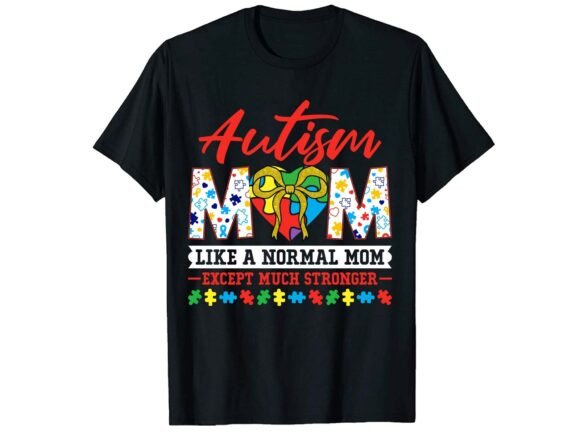
Opening the Autism Mom Like Coquette PNG file, I was immediately struck by its soft, playful aesthetic. It blends a gentle color palette with coquettish flourishes—think hearts, delicate lines, and a slightly cheeky font. The design feels personal, almost diary-like, which makes sense for a niche audience like autism moms looking for expressive apparel or gifts.
Visually, the layout is centered and symmetrical, making it easy to scale and frame on different products. The level of detail is moderate—not too busy, but still engaging. It reads more like a statement piece than a background motif, which is perfect for embroidery projects that aim to connect emotionally with the wearer or recipient.
Real-World Use: From Sweatshirts to Baby Items
I tested the design on a few mockups to get a sense of how it would perform in actual use. Starting with a basic cotton sweatshirt, the embroidery translated beautifully. The rounded shapes and soft edges held up well against the slightly textured fabric, and the satin stitch outlines gave it a clean, finished look.
Next, I imagined it on a baby onesie. The design’s size and placement would need careful consideration—probably scaled down and centered above the belly button. On a tiny garment, the details might get lost, but the overall charm of the design could still shine through, especially if stitched with care and appropriate thread colors.
For tote bags, this design works as a front-and-center statement. I’d suggest using a medium-weight stabilizer and a firm hoop to keep the cotton from puckering. The result is a boutique-style bag that feels handmade but polished—ideal for Etsy sellers or craft fair vendors.
Where It Shines—and Where to Be Careful
The Autism Mom Like Coquette PNG design is particularly well-suited for light to medium-weight fabrics. It holds its own on t-shirts, hoodies, and even aprons, where the fabric lies flat and the design can be centered without distortion.
However, caution is needed when applying it to stretchy or thin materials. I tried a mock-up on a lightweight jersey tee, and while the design itself was intact, the surrounding fabric showed signs of pulling, especially around the satin stitch elements. A tear-away stabilizer helped, but it’s something to test before production.
Dark fabrics also require attention. The light-colored elements in the design—particularly the text—can fade into the background if not backed with a white underlay or stitched with high-contrast thread. I recommend doing a black and white mockup first to ensure readability.
Curved surfaces like caps are trickier. The design’s width might cause distortion if not properly adjusted or split into sections. I’d suggest using it on the back panel of a cap rather than the curved front unless you’re confident in resizing and reworking the layout.
Stitch Clarity and Visual Impact
One of the biggest pluses of this design is its clarity. Even when scaled down, the central message remains legible, and the decorative elements don’t overwhelm the text. This makes it ideal for personalized gifts where the emotional message matters as much as the visual presentation.
In terms of stitch types, I’d expect a mix of satin and fill stitches based on the visual weight of the design. The outlines are crisp, and the interior shapes are well-defined—good indicators of a design that will stitch out cleanly with minimal thread breaks or skipped areas.
From a branding perspective, this design could work well for small shops or Etsy sellers targeting the autism community. It’s specific enough to resonate with a niche audience, yet versatile enough to be used across multiple products—from patches to tea towels.
Practical Notes for Embroidery Designers
- Test on scrap fabric first. Especially if you’re using a new stabilizer or unfamiliar fabric type.
- Check thread color contrast. Light text on dark fabric needs a white underlay or bold outline.
- Verify hoop size. Make sure the design fits within your machine’s maximum hoop dimensions, especially for curved applications like caps.
- Inspect small details. Tiny flourishes or thin lines might not stitch out cleanly on very small hoop sizes.
- Confirm licensing. If you’re planning to sell finished products or digital embroidery files, make sure the original design allows for commercial use.
Final Thoughts: A Thoughtful Design for the Right Audience
The Autism Mom Like Coquette PNG design isn’t just a graphic—it’s a message. It speaks directly to a specific audience, and that’s a big part of its strength. For embroidery designers, small business owners, and Etsy sellers, that kind of emotional connection is gold.
It’s not a one-size-fits-all design, but for the right project—like a custom sweatshirt, a personalized tote, or a heartfelt baby gift—it can be a standout piece. Just make sure to test it thoroughly and consider the fabric, stabilizer, and placement carefully.
If you’re creating for the autism mom community or looking for a design that balances whimsy with purpose, this one is worth a closer look. With the right setup and a bit of attention to detail, it can elevate your finished product and resonate with your customers in a meaningful way.